







Building in a vacuum is a recipe for irrelevance. In 2026, the distance between what users want and what teams build must be near zero. A public, user-driven roadmap isn't just a project management tool; it's a transparency engine that transforms users into stakeholders and product updates into communal victories.
When you open your roadmap to the public, you aren't just showing a list of planned features. You are inviting your users to vote, comment, and collaborate. This collaborative spirit is the foundation of modern software growth. In this guide, we'll explore how to build a high-converting feedback system in WordPress that fuels your growth loop.
The Power of "User-Driven" Development
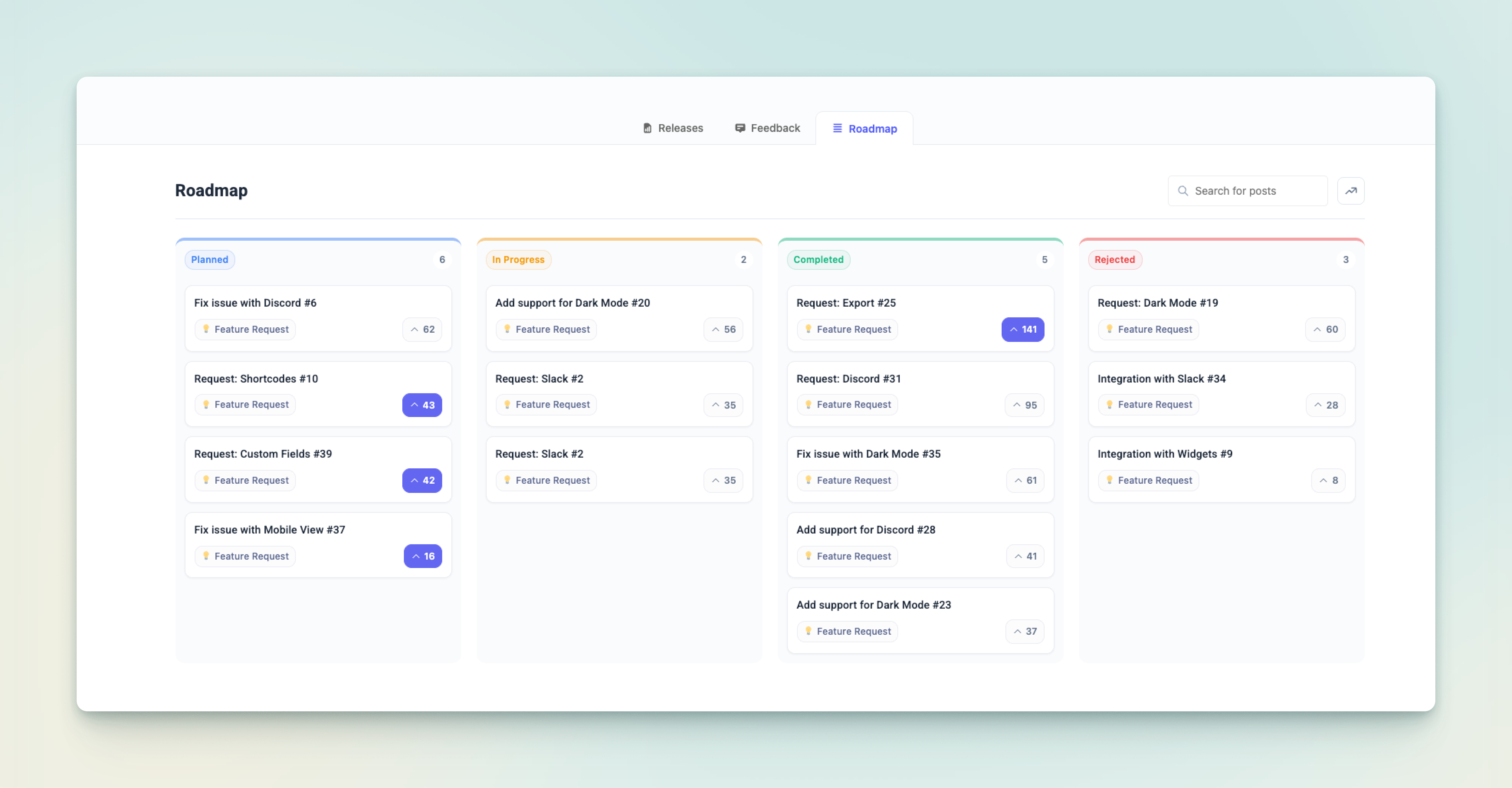
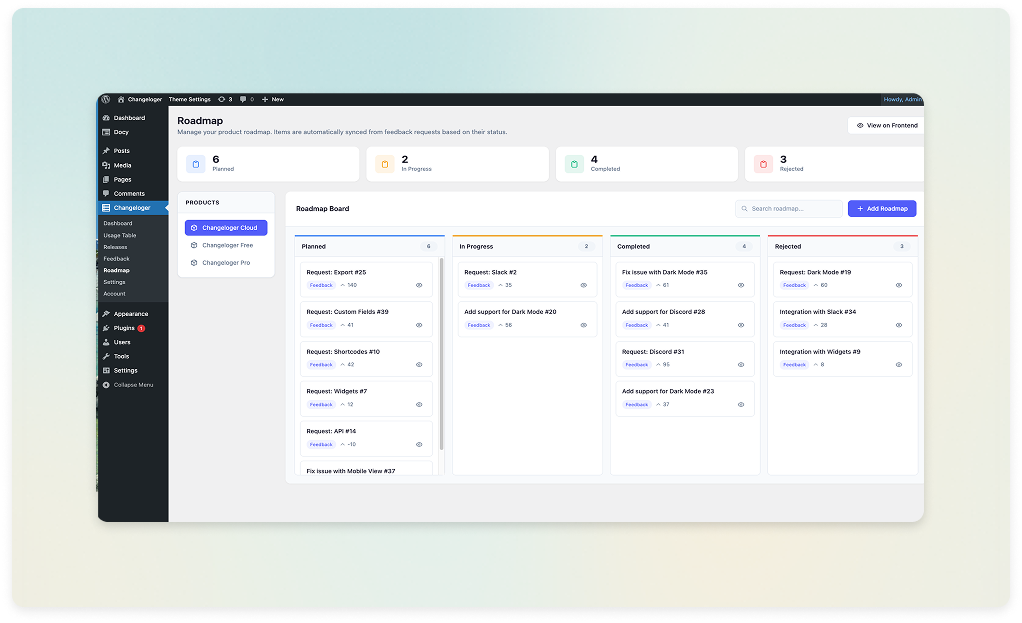
At its core, a user-driven roadmap solves the "Highest Paid Person's Opinion" (HiPPO) problem. Instead of guessing which feature will drive retention, you let the data lead. By implementing a Feature Voting System, you empower your most active users to surface the most critical pain points automatically.
Think of it as a democratic filter. When 50 users upvote a "Dark Mode" request and only 2 upvote "New Icons," your development priority becomes crystal clear. This doesn't just save time—it saves your budget from being spent on features nobody wants.
Step 1: Setting Up Your Feedback Board
Feedback comes from everywhere: emails, support tickets, tweets, and slack messages. The first step is to pull these into a single Feedback Board. WordPress plugins like Changeloger allow you to create a dedicated hub where users can submit and view ideas without leaving your ecosystem.
2. Beyond Simple Voting: Prioritization Frameworks
While votes are a great indicator of interest, they don't tell the whole story. To build a world-class roadmap, professional product managers use frameworks like RICE or Kano to decide what actually gets built.
The RICE Score Framework
- Reach: How many users will this feature affect in a given period?
- Impact: How much will this contribute to the goal? (Massive = 3x, High = 2x, Med = 1x).
- Confidence: How sure are you about your estimates? (100% = High, 80% = Med).
- Effort: How many "person-months" will this take to build?
By calculating `(Reach × Impact × Confidence) / Effort`, you get an objective score that helps you rank features that might have fewer votes but higher business value.
Step 2: The Art of Voting (and Community Engagement)
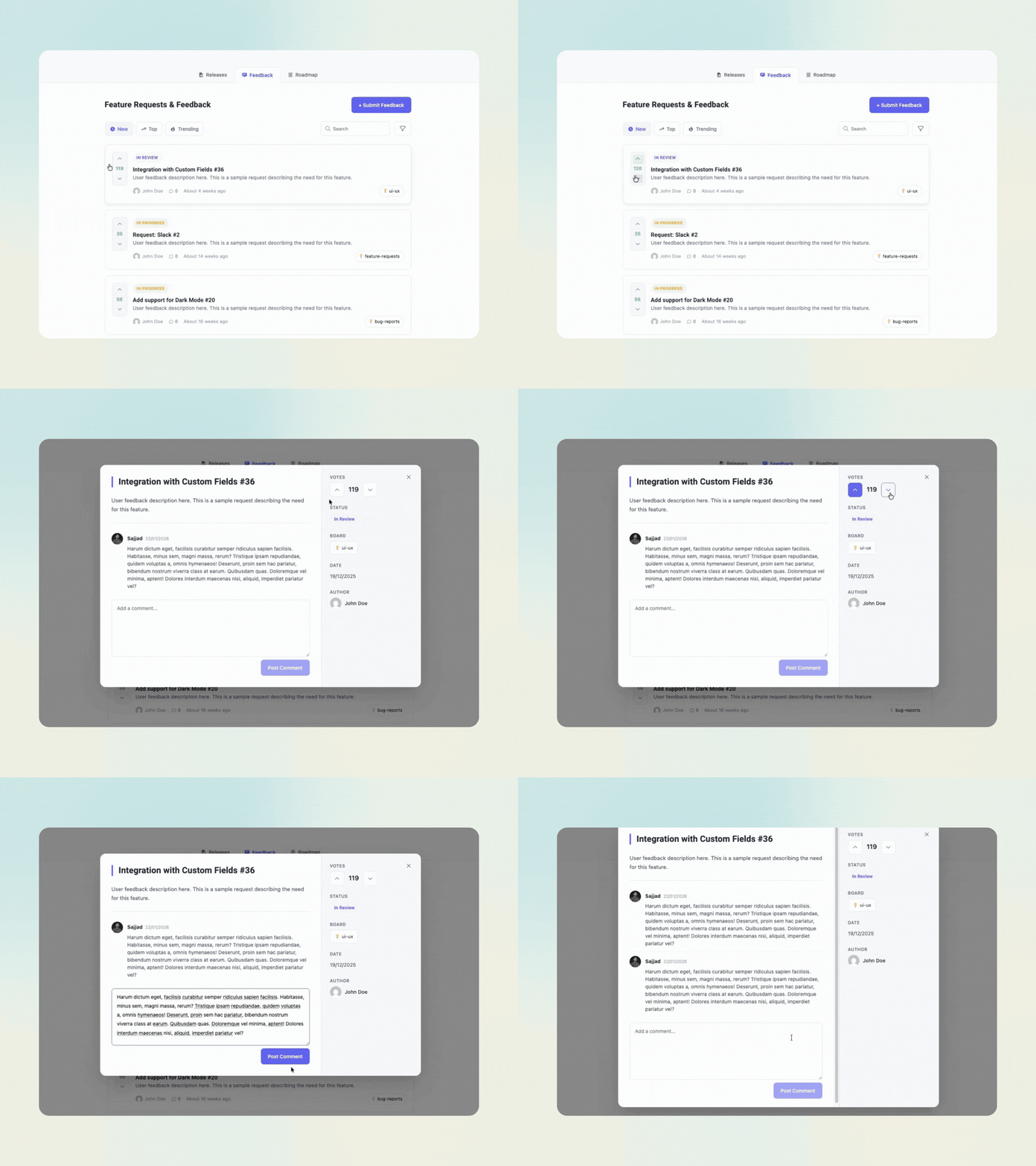
Pro Tip: Upvotes are a signal, not a command. Always weigh high-vote features against your long-term product vision. A user-driven roadmap is a partnership, not a monarchy.
Voting gives users a sense of ownership. When someone sees their idea gathering steam, they become emotionally invested in your success. However, as an SEO and product specialist, you must look for the "Why" behind the vote. Use comments to dig deeper into the actual use case.
Managing "Toxic" or Misaligned Feedback
Sometimes, a feature request might get many votes but move your product in the wrong direction. Learning to say "No" (or "Not Now") is a superpower. Use your roadmap to explain why a popular request isn't being prioritized. Transparency in rejection builds more respect than silence ever will.
Step 3: Closing the Feedback Loop
The #1 mistake in feedback management is a "black hole" board—where ideas go in, but nothing ever comes out. To maximize retention, you must Close the Loop. This means automatically notifying users when their idea moves from "Suggested" to "Planned" and finally to "Shipped."
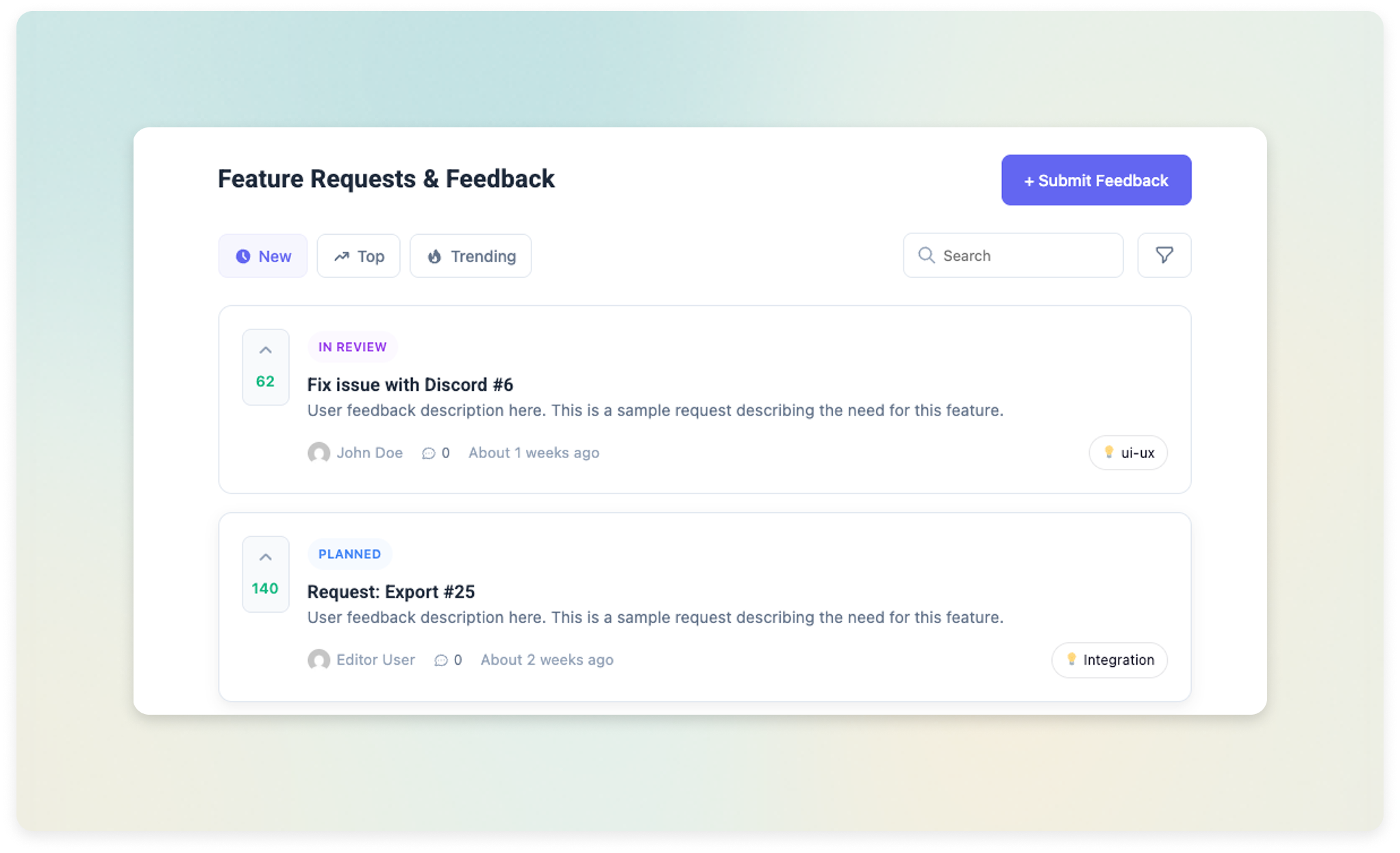
The Lifecycle of a Request:
- Captured: User submits a feature request.
- Under Review: Your team tags the request as a potential addition.
- Planned: The item moves to your Public Roadmap.
- Launched: The feature is finished, and a Changelog entry is created.
Case Study: From Support Chaos to Product Clarity
Imagine "Plugin X," a WordPress tool with 10,000 users. Their support inbox was flooded with 200 requests a week for a "CSV Export" feature. The CEO thought they needed a "Dashboard Redesign." By launching a public roadmap with Changeloger, they discovered that the CSV request had 450 upvotes within 48 hours, while the redesign had only 12.
They pivoted, built the export tool in two weeks, and saw their churn rate drop by 15% in the following month. That is the power of listening to the data, not just the loudest voice in the room.
Concluding Thoughts: Your Community is Your Compass
A user-driven roadmap is more than a list of tasks; it's a testament to your commitment to your users. By opening your process and inviting collaboration through feature voting and transparent roadmapping, you build a product that your users feel they helped create. That loyalty is the ultimate competitive advantage.
See it in practice: explore our live public product roadmap or discover how a user feedback board powers the voting process.